



Collaboration and Community: How Interest in Metabolic Diseases Brought Vaishali Chaurasiya to Minerva
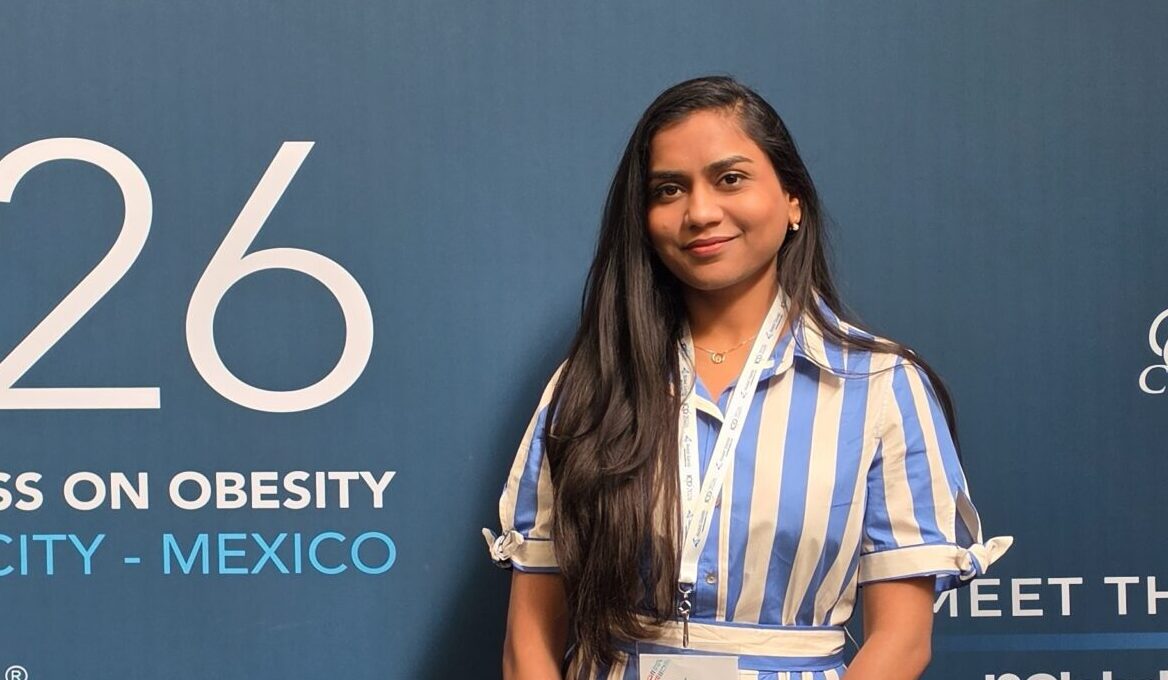
Vaishali Chaurasiya’s research journey took a turning point during the COVID-19 pandemic. Having completed her Master’s degree and a six-month internship in India, the global lockdown gave her the time to map out her next steps: pursuing a PhD abroad in her favorite field, metabolic diseases.
While searching for potential groups online, a research paper on microRNA in adipose tissue caught her eye. It was written by none other than Professor Vesa Olkkonen. Chaurasiya decided to reach out to Professor Olkkonen directly and now, four and a half years later, Chaurasiya is a key researcher in Olkkonen’s Lipid Signaling and Homeostasis research group at the Minerva Foundation Institute for Medical Research.
The Cellular Supply Chain and the Inflammatory Triangle
Chaurasiya’s PhD thesis tackles a major global health issue: obesity and adipose (fat) tissue dysfunction. Rather than looking at fat simply as a storage unit, her work explores how different cells within fat tissue communicate with each other.
– We are interested in understanding how these different cells communicate, and what happens to break that signaling down during obesity and inflammation, Chaurasiya explains.
Using advanced multi-omic techniques, Chaurasiya quantifies changes at the protein, lipid, metabolite, and transcript levels to map out these cellular interactions. Her recent findings revealed an intriguing triangle of miscommunication. When too much fat is stored, it sends distress signals to immune cells called macrophages. These macrophages trigger local inflammation, which ultimately breaks down the vital communication between adipocytes and endothelial cells.
Weight Loss Interventions: Bariatric Surgery vs. Modern Drugs
A particularly timely aspect of Chaurasiya’s work involves evaluating how weight loss interventions rescue this fractured cellular dialogue. The research group first analyzed tissue samples from patient bariatric surgeries and found a profound, system-wide metabolic reversal one year post-surgery.
Now, she is looking into the direct cellular effects of mainstream weight loss medications, specifically Tirzepatide (commercially known as Mounjaro and Zepbound). By treating cells in vitro in the presence of insulin, her early data shows promising results. The drug directly modifies and optimizes how lipids are converted and handled inside adipocytes and it controls fat metabolism at a molecular level, an effect that might contribute to weight-loss.
However, Chaurasiya is quick to address a common phenomenon discussed on social media: “fat cell memory” and weight regain.
– If you eat unhealthily, your cells will immediately broadcast disrupted signals again because they retain a memory of that past state. Whether it is surgery or a drug, these therapies are there to support you. Practicing a healthy lifestyle is essential to keep the metabolism permanently reversed, Chaurasiya comments.
Collaboration and Community at Minerva
Although research and laboratory work can be challenging at times, Chaurasiya feels very much at home at Minerva. She credits much of her success to the exceptional ecosystem at the research institute:
– Minerva is the best place I’ve ever worked at! The atmosphere is highly collaborative. If my findings connect with cardiovascular or neural work, I can easily walk down the hall to collaborate. The management and laboratory technicians take such good care of the day-to-day operations that researchers can fully focus on the science.
With one article published, a second in pre-print peer review, and a third in the pipeline, Chaurasiya is currently writing her doctoral thesis. As she prepares to wrap up her PhD by the end of this year or early next, her journey stands as a bright example of the impactful, cutting-edge metabolic research thriving at the Minerva Foundation Institute for Medical Research.

